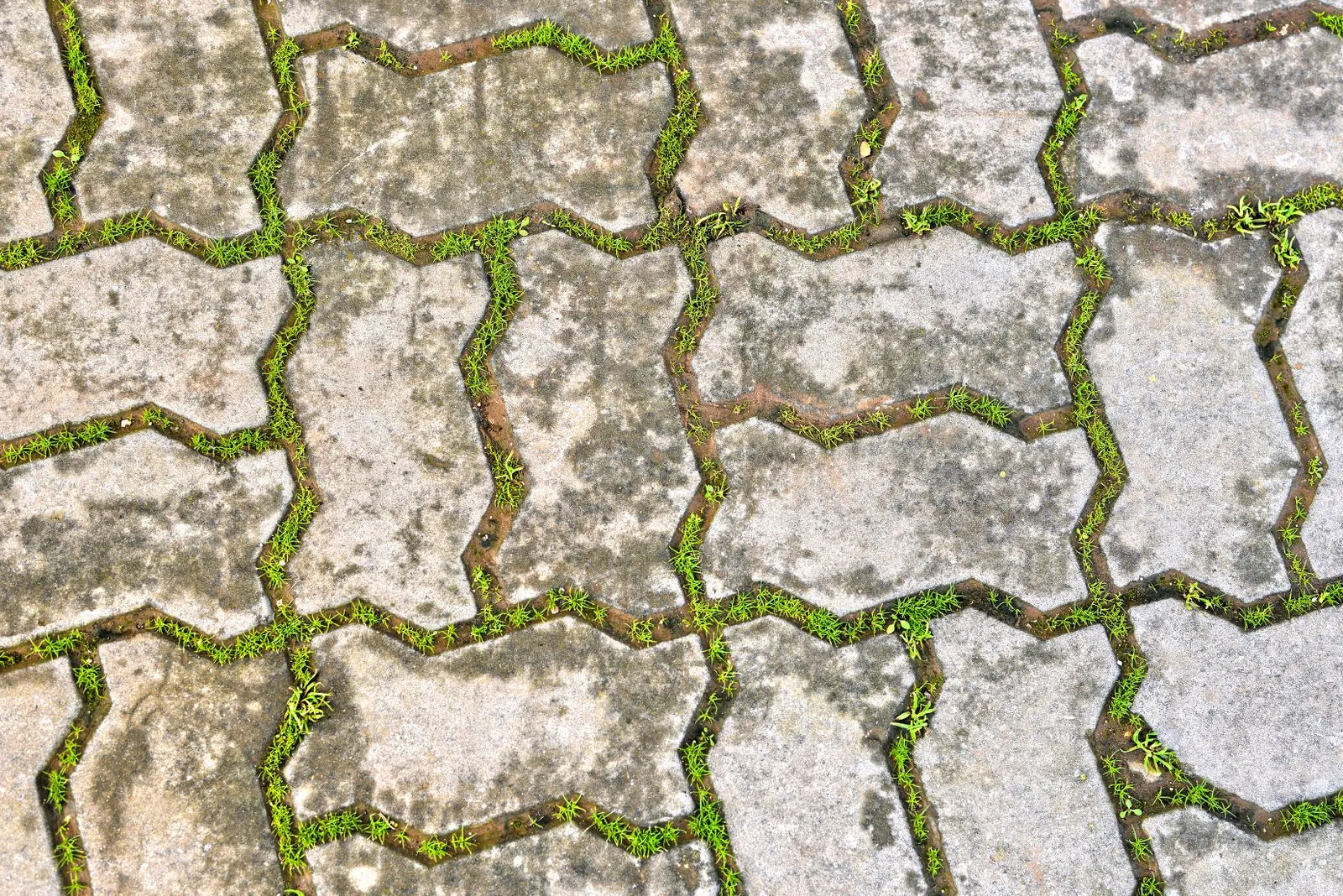
Moss and algae can make pavers look neglected and feel slippery underfoot. They tend to appear where moisture lingers and sunlight is limited, such as shaded patios, narrow paths, and areas beneath trees. In Eugene, damp weather can give these growths favorable conditions, especially when leaves and other debris stay on the surface. Understanding what encourages growth helps you choose practical maintenance steps and know when a more thorough cleaning may be useful.
Shade Keeps Surfaces Damp
Pavers in shaded areas dry more slowly after rain, watering, or morning dew. Nearby trees, fences, walls, and buildings can block sunlight and reduce airflow, leaving the surface damp for longer. Moss and algae thrive when moisture stays available, so shaded corners and the north-facing sides of patios may show growth before sunnier areas do.
Look for spots that remain wet well after the rest of the patio has dried. Overhanging branches may also drop leaves and create extra shade. Trimming vegetation where practical, clearing nearby debris, and improving airflow can help the surface dry faster. These steps will not prevent all growth, but they can make conditions less favorable.
Debris Adds to the Problem
Leaves, pollen, soil, and small twigs can collect between pavers and along edges. As this material breaks down, it holds moisture and can create a comfortable place for moss to take root. Algae may form a thin green film on damp pavers, while moss often develops into soft, raised patches in joints and shaded gaps.
Check areas around planters, downspouts, and low spots where water tends to gather. If runoff repeatedly crosses a walkway or patio, note where it pools rather than simply treating the visible growth. Removing debris regularly and addressing persistent drainage issues can reduce the damp, sheltered conditions that encourage regrowth.
Clean Routinely and Carefully
Sweep or blow loose leaves from pavers before they build up, and rinse away surface dirt when needed. For small patches, use a paver-safe cleaner and follow its label directions. Test the product in an inconspicuous area first, and avoid mixing cleaning products. A stiff, nonmetal brush can help loosen growth without scratching the surface.
If you use a pressure washer, choose a controlled setting and keep the nozzle at a safe distance. Excessive pressure can damage paver surfaces or wash joint sand from between them. After cleaning, check the joints and refill them with compatible sand if needed. If growth covers a large area or keeps returning quickly, a professional can assess the surface and recommend an appropriate cleaning approach.
Make Prevention Part of Upkeep
A simple routine can make outdoor surfaces easier to maintain: remove fallen leaves, keep drains and nearby channels clear, and watch for areas that stay wet. Move pots occasionally so the pavers beneath them can dry, and adjust sprinklers that spray walkways. These small habits help you catch damp spots and early growth before they spread.
The best schedule depends on how much shade, rain, and foot traffic your pavers receive. Check them regularly through wetter seasons, then clean as soon as you notice a slippery film or new moss patches. Consistent care is usually more manageable than waiting until growth has spread across the patio or path.
Shade, lingering moisture, and trapped debris all help moss and algae establish on pavers. Regular sweeping, attention to drainage, and careful cleaning can reduce buildup and help outdoor surfaces stay safer and more inviting. If your pavers need a thorough cleaning, Moss & Stone can help you consider a suitable approach.